 Linguagem
 English
 français
 Deutsch
 русский
 español
 português


O que você está procurando?

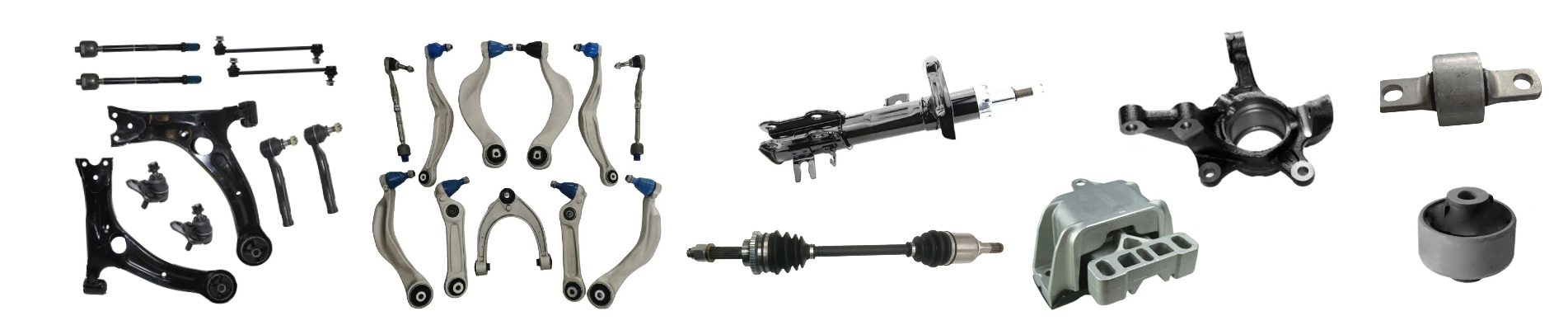
Você já experimentou um volante rígido e estranhos ruídos de clique ao virar o carro parado ou em baixas velocidades? Muitos motoristas ignoram essa pequena anormalidade no início, pensando que é apenas uma sensação trivial de condução. No entanto, esse problema comum de direção raramente é uma falha temporária. Na maioria dos casos de manutenção diária de veículos, 90% dos problemas de direção rígida e com ruído ao esterçar parado são causados pelo envelhecimento e desgaste dos componentes do sistema de direção.
Ao contrário de falhas repentinas na direção, o desgaste das peças de direção é um processo gradual. A condução prolongada, o uso frequente da direção com o veículo parado e o envelhecimento natural danificam gradualmente os componentes vulneráveis da direção, levando ao aumento da resistência ao esterçamento e a sons anormais de atrito. Hoje, vamos detalhar várias peças principais desgastadas que mais comumente causam essa falha, ajudando você a localizar rapidamente o problema e evitar custos de manutenção desnecessários.
terminal da barra de direção é a peça mais suscetível ao envelhecimento no sistema de direção. Ele conecta a caixa de direção à manga de eixo, realizando movimentos frequentes de extensão e oscilação durante a condução. Após dezenas de milhares de quilômetros de desgaste, sua bucha interna de borracha e junta esférica envelhecem, ficam frouxas e se desgastam.
A bucha da caixa de direção desempenha o papel de fixar e amortecer a caixa de direção. Feita de borracha, ela está sujeita a envelhecimento, endurecimento e rachaduras após exposição prolongada às vibrações do veículo e às mudanças de temperatura alta e baixa. Quando a bucha envelhece e falha, a caixa de direção não consegue ser fixada de forma estável, causando deslocamento durante a operação da direção.
A junta universal da coluna de direção é a peça de conexão principal do sistema de transmissão da direção. Seu rolamento interno e estrutura de amortecimento sofrem desgaste e perdem lubrificação após uso prolongado. Quando o óleo lubrificante seca ou as peças internas ficam desgastadas e frouxas, ocorre atrito e travamento durante a rotação da direção.
Embora as juntas esféricas da suspensão pertençam ao sistema de suspensão, elas estão intimamente ligadas ao funcionamento da direção. O envelhecimento e o desgaste da capa de borracha da junta esférica permitem a entrada de poeira e sedimentos na parte de atrito, causando desgaste anormal e aumento da folga.
Em resumo, se o seu veículo apresenta direção rígida ao esterçar parado e ruído anormal de clique, não é necessário verificar cegamente peças caras, como a caixa de direção e a bomba hidráulica. Em 90% dos casos, a falha está nas peças vulneráveis envelhecidas e desgastadas: terminais da barra de direção, buchas da caixa de direção, juntas universais da coluna de direção e juntas esféricas da suspensão.

PRONTO PARA UMA ASSINATURA?
Empresa SMK fornecer peças automotivas para abaixo peças de reposição para automóveis : Carro japonês: Toyota, Honda, Nissan, Mazda, Subaru, Mitsubishi, Suzuki, Isuzu ... Carro europeu: BMW, Benz, VW, Audi, Skoda, Porsche, Maserati, Renault, Peugeot , Citroën, Fiat, Opel, Land Rover ... Carro americano: Tesla, Ford, Chrysler , Cadillac , Buick , GMC, Chevrolet, Lincoln, Fiat, Dodge, ... Carro coreano: Hyundai, Kia, Daewoo ... Carros chineses: Chery, Geely, GreatWall, Haval, BYD, Changan, JAC... Nós fornecemos peças para o mundo todo: EUA, Canadá, Europa, México, Colômbia, Coreia... Somos o principal fornecedor das seguintes peças automotivas: Peças de suspensão e direção (braço de controle, barra de direção, barra estabilizadora...) Tesla Pós-venda P artes. Motor M contagem/transmissão M conta SMK Auto partes é projetado especificamente para o reparo automotivo partes Nossos componentes de chassi passam por rigorosos testes para suportar facilmente as complexas e variáveis condições climáticas e rodoviárias. Os produtos não só oferecem durabilidade excepcional, como também ampla compatibilidade e excelente estabilidade, garantindo suporte confiável e de longo prazo para seus veículos. Muitos clientes no exterior estabeleceram parcerias de longo prazo conosco. Com o contínuo acúmulo de recursos, muitos clientes no exterior nos confiam a produção de diversos tipos de peças automotivas. Para atender às diversas necessidades dos clientes, expandimos ativamente novas linhas de produtos. Seguimos altos padrões de fabricação, garantindo que cada produto atenda aos rigorosos requisitos de segurança e durabilidade de diferentes mercados. Convidamos clientes do mundo todo a escolher nossos produtos e fornecer proteção mais robusta e melhorias de desempenho para seus veículos! A SMK sempre se mantém centrada no cliente, aprimorando continuamente a qualidade dos produtos e os níveis de serviço, e se esforça para criar maior valor para clientes globais. No futuro, continuaremos aderindo ao princípio "qualidade em primeiro lugar, cliente em primeiro lugar" e trabalharemos lado a lado com nossos parceiros para construir um futuro melhor.
 Rede IPv6 suportada