 Linguagem
 English
 français
 Deutsch
 русский
 español
 português


O que você está procurando?

PRONTO PARA UMA ASSINATURA?
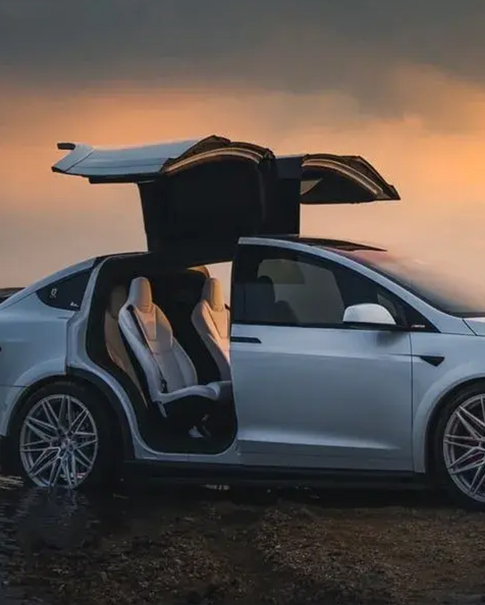
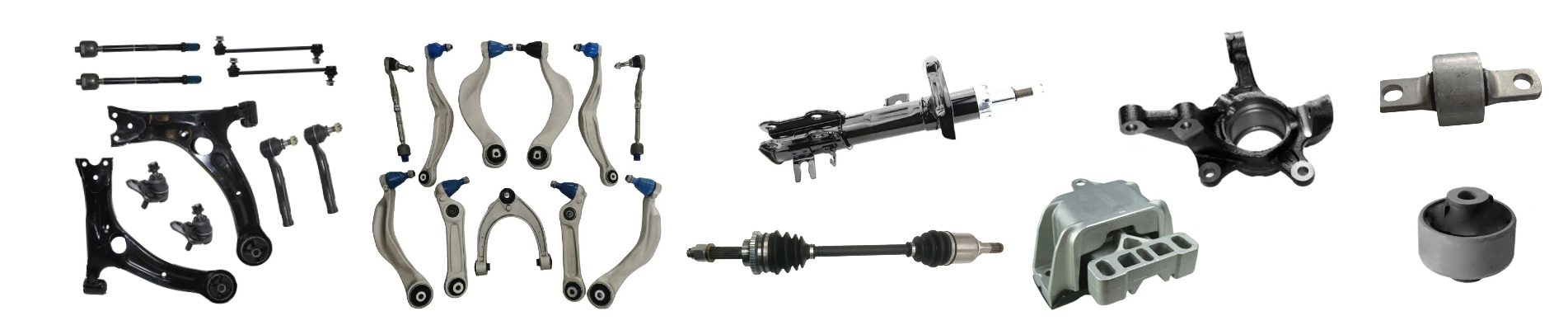
Empresa SMK fornecer peças automotivas para abaixo peças de reposição para automóveis : Carro japonês: Toyota, Honda, Nissan, Mazda, Subaru, Mitsubishi, Suzuki, Isuzu ... Carro europeu: BMW, Benz, VW, Audi, Skoda, Porsche, Maserati, Renault, Peugeot , Citroën, Fiat, Opel, Land Rover ... Carro americano: Tesla, Ford, Chrysler , Cadillac , Buick , GMC, Chevrolet, Lincoln, Fiat, Dodge, ... Carro coreano: Hyundai, Kia, Daewoo ... Carros chineses: Chery, Geely, GreatWall, Haval, BYD, Changan, JAC... Nós fornecemos peças para o mundo todo: EUA, Canadá, Europa, México, Colômbia, Coreia... Somos o principal fornecedor das seguintes peças automotivas: Peças de suspensão e direção (braço de controle, barra de direção, barra estabilizadora...) Tesla Pós-venda P artes. Motor M contagem/transmissão M conta SMK Auto partes é projetado especificamente para o reparo automotivo partes Nossos componentes de chassi passam por rigorosos testes para suportar facilmente as complexas e variáveis condições climáticas e rodoviárias. Os produtos não só oferecem durabilidade excepcional, como também ampla compatibilidade e excelente estabilidade, garantindo suporte confiável e de longo prazo para seus veículos. Muitos clientes no exterior estabeleceram parcerias de longo prazo conosco. Com o contínuo acúmulo de recursos, muitos clientes no exterior nos confiam a produção de diversos tipos de peças automotivas. Para atender às diversas necessidades dos clientes, expandimos ativamente novas linhas de produtos. Seguimos altos padrões de fabricação, garantindo que cada produto atenda aos rigorosos requisitos de segurança e durabilidade de diferentes mercados. Convidamos clientes do mundo todo a escolher nossos produtos e fornecer proteção mais robusta e melhorias de desempenho para seus veículos! A SMK sempre se mantém centrada no cliente, aprimorando continuamente a qualidade dos produtos e os níveis de serviço, e se esforça para criar maior valor para clientes globais. No futuro, continuaremos aderindo ao princípio "qualidade em primeiro lugar, cliente em primeiro lugar" e trabalharemos lado a lado com nossos parceiros para construir um futuro melhor.
 Rede IPv6 suportada