 Linguagem
 English
 français
 Deutsch
 русский
 español
 português


O que você está procurando?
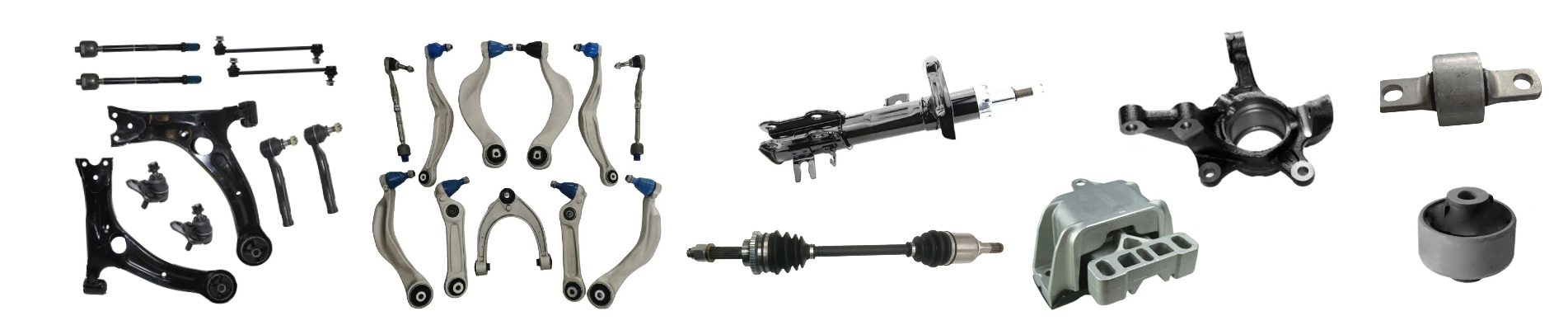
Modern vehicle suspension relies heavily on control arms to connect the steering knuckle to the vehicle frame. Most double‑wishbone and multi‑link suspensions use both upper control arm and lower control arm. Many car owners and wholesale buyers get confused about their functions, appearances and failure signs. This article breaks down their key differences.
The upper control arm sits at the top position of the suspension assembly. It links the upper part of the steering knuckle to the chassis or subframe. It mainly manages camber changes during compression and rebound when the wheel moves up and down.
Compared with the lower unit, the upper control arm is usually shorter. In many multi‑link setups, it works together with ball joints and rubber bushings. It bears relatively less vertical load, yet it plays a critical role in wheel alignment.
Common failure points for the upper control arm are worn bushings and worn ball joints. Once damaged, wheel camber will shift, causing uneven tire wear.
Mounted below, the lower control arm takes most of the vertical impact and weight from the wheel. It connects the bottom of the steering knuckle to the subframe. It controls caster and camber angles while absorbing road shocks transferred from tires.
The lower control arm is generally larger and thicker. It carries major road forces during acceleration, braking and cornering. Its bushings endure heavy stress. Worn bushings will produce clunking sounds over bumps.
Bad lower control arm parts lead to loose steering, wandering on highways and noticeable chassis noise. Severe wear will directly threaten driving safety.
Note: Both arms often come fitted with ball joints and bushings. When one component fails, inspect the other side as well. Worn suspension parts rarely appear completely alone.
Listen for metal clunking noises when driving over potholes or speed bumps. Check tires for one‑sided abnormal wear. If alignment keeps going out of spec shortly after service, inspect both upper control arm and lower control arm.
For wholesale buyers: Always confirm OEM numbers before ordering. Some vehicle models use different shapes for left‑side and right‑side control arms. Never mix‑match replacement components.
Upper control arm and lower control arm complete suspension work together. One focuses on geometry tuning, the other undertakes most physical loads. Understanding their differences helps you diagnose suspension issues faster and pick correct spare parts. Early replacement of worn control arms protects tires and improves overall driving safety.

PRONTO PARA UMA ASSINATURA?
Empresa SMK fornecer peças automotivas para abaixo peças de reposição para automóveis : Carro japonês: Toyota, Honda, Nissan, Mazda, Subaru, Mitsubishi, Suzuki, Isuzu ... Carro europeu: BMW, Benz, VW, Audi, Skoda, Porsche, Maserati, Renault, Peugeot , Citroën, Fiat, Opel, Land Rover ... Carro americano: Tesla, Ford, Chrysler , Cadillac , Buick , GMC, Chevrolet, Lincoln, Fiat, Dodge, ... Carro coreano: Hyundai, Kia, Daewoo ... Carros chineses: Chery, Geely, GreatWall, Haval, BYD, Changan, JAC... Nós fornecemos peças para o mundo todo: EUA, Canadá, Europa, México, Colômbia, Coreia... Somos o principal fornecedor das seguintes peças automotivas: Peças de suspensão e direção (braço de controle, barra de direção, barra estabilizadora...) Tesla Pós-venda P artes. Motor M contagem/transmissão M conta SMK Auto partes é projetado especificamente para o reparo automotivo partes Nossos componentes de chassi passam por rigorosos testes para suportar facilmente as complexas e variáveis condições climáticas e rodoviárias. Os produtos não só oferecem durabilidade excepcional, como também ampla compatibilidade e excelente estabilidade, garantindo suporte confiável e de longo prazo para seus veículos. Muitos clientes no exterior estabeleceram parcerias de longo prazo conosco. Com o contínuo acúmulo de recursos, muitos clientes no exterior nos confiam a produção de diversos tipos de peças automotivas. Para atender às diversas necessidades dos clientes, expandimos ativamente novas linhas de produtos. Seguimos altos padrões de fabricação, garantindo que cada produto atenda aos rigorosos requisitos de segurança e durabilidade de diferentes mercados. Convidamos clientes do mundo todo a escolher nossos produtos e fornecer proteção mais robusta e melhorias de desempenho para seus veículos! A SMK sempre se mantém centrada no cliente, aprimorando continuamente a qualidade dos produtos e os níveis de serviço, e se esforça para criar maior valor para clientes globais. No futuro, continuaremos aderindo ao princípio "qualidade em primeiro lugar, cliente em primeiro lugar" e trabalharemos lado a lado com nossos parceiros para construir um futuro melhor.
 Rede IPv6 suportada